

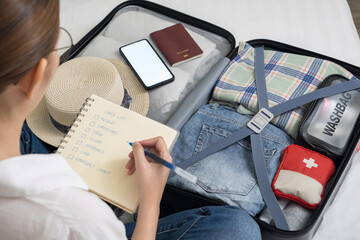
Ready to embark on an adventure of a lifetime? Packing for a safari in Kenya is as thrilling as the game drives themselves—but it can get overwhelming with the ever-changing weather, luggage restrictions, and the wish to look good in all those fabulous photos. Let’s unlock the secrets to packing smart, light, and right!
| Category | Items | Notes |
|---|---|---|
| Clothing | T-shirts/Short-sleeve shirts Long-sleeve shirts Safari trousers/Chinos Shorts Fleece jacket/Sweater Waterproof jacket Smart casual outfit Swimsuit Socks & Underwear | Neutral colors like khaki, beige, green. Layering is key. Protection from sun and insects. Lightweight and durable. For relaxing at the lodge. For cool mornings and evenings. Essential for unexpected rain. For dinners. Many lodges have pools. Moisture-wicking recommended. |
| Footwear | Comfortable walking shoes Sandals/Flip-flops | Closed-toe and well broken-in. For around the camp/lodge. |
| Accessories | Wide-brimmed hat Polarized sunglasses Scarf or buff Binoculars Daypack | Crucial for sun protection. Reduces glare for better wildlife viewing. Protects from sun and dust. 8×42 or 10×42 magnification is ideal. For carrying essentials on game drives. |
| Toiletries & Health | Sunscreen Insect repellent Personal medications Basic first-aid kit Lip balm with SPF Hand sanitizer/Wet wipes | High-SPF is essential. Choose one containing DEET. Bring copies of prescriptions. Include pain relief, bandages, etc. Air can be very dry. For hygiene on the go. |
| Electronics | Camera & zoom lens Extra batteries/Power bank Extra memory cards Travel adapter Headlamp/Flashlight | Capture wildlife from a distance. Charging can be limited at camps. You’ll take lots of photos. Type G (UK style) for Kenya. For navigating camp after dark. |
| Luggage & Documents | Soft-sided duffel bag Passport & Visa Copies of documents Tickets & Itinerary Currency | Max 15 kg (33 lbs) for small flights. 6+ months validity, 2 blank pages. Keep digital or physical copies. Keep easily accessible. Credit cards and some local cash. |
What Should I Wear on a Kenya Safari?
Wondering what to wear on safari in Kenya in August or what to wear on safari in Kenya in July? Whether you’ll be in the Masai Mara in September watching wildebeest crossings or spotting big cats in January, one golden rule applies: dress with comfort and nature in mind.
Colors and Fabrics: Don’t Spook the Wildlife!
Let’s cut to the chase: Colors not to wear in Kenya include bright whites (dust magnet!), loud hues (you’ll stand out to animals), and camouflage (reserved for military personnel and can actually get you in trouble). Instead, stick to neutral tones—think khaki, olive, beige, and green. Want to blend in like a pro? Choose breathable fabrics like cotton, linen, or moisture-wicking blends that dry fast and beat the heat.
Pop quiz: Which color attracts tsetse flies the most—blue, black, or yellow?
(It’s blue and black! Keep those out of your packing pile.)
Layer Like a Legend
Don’t let the changing weather catch you off-guard. Mornings and evenings can be chilly even in October, while afternoons often get toasty.
Here’s Your Safari Clothing Checklist:
- 3-4 Short-Sleeve Shirts or T-Shirts (neutral colors preferred)
- 2-3 Long-Sleeve Shirts (great for sun and bug protection)
- 1-2 Pairs of Safari Trousers or Chinos; convertible zip-off pants are a winner
- 1 Pair of Shorts for those hot afternoons
- 1 Fleece Jacket or Sweater (especially crucial if you ask, what to wear on safari in Kenya in September or the middle of the year)
- 1 Lightweight Waterproof Jacket for those “just in case” moments during the rainy season
- Swimsuit (yes, many lodges have pools—bonus!)
- Smart Casual Outfit for dinners at the lodge
- Socks and Underwear: Pack enough, or wash as you go
👚 Ladies, looking for a women’s safari packing list? Add a sports bra, breathable underwear, and maybe a sundress or two for evenings.
Pro tip: The 5 4 3 rule for packing—a viral travel hack—means 5 tops, 4 bottoms, 3 pairs of shoes. Try it for your safari gear!
Shoes, Glorious Shoes!
When wondering what to wear on safari in Kenya in October or any other month, footwear is crucial. Are you a fan of impromptu bush walks or cozying up by the campfire?
- Closed-Toe Walking Shoes or Trainers: Broken in and comfy!
- Sandals or Flip-Flops: For relaxing at camp or poolside
- Hiking Boots: Only for serious hiking days—otherwise, leave them home and save the weight
Fun question: How many shoes do you think you actually need for a week-long trip? (See the 5 4 3 rule for packing above!)
Accessories: Upgrade Your Adventure
Can you imagine squinting at a lion because you forgot your shades? Accessories aren’t just extras—they’re essential things to pack for travelling abroad.
- Wide-Brimmed Hat: Say no to sunburn!
- Polarized Sunglasses: Clear views, less glare, happy eyes
- Lightweight Scarf or Buff: Dust shield, neck warmer, instant style
- Binoculars: Trust us, you want your own for that leopard napping on a distant acacia
- Daypack: Carry all your essentials—camera, water, sunscreen—during game drives
Toiletries and Medication: Stay Fresh, Stay Safe
If you’re building your travel packing checklist or essential things to pack for travelling abroad, don’t skimp on these:
- High-SPF Sunscreen
- DEET-Based Insect Repellent
- All Personal Medications + Copies of Prescriptions
- Basic First-Aid Kit
- Lip Balm with SPF (don’t suffer cracked lips!)
- Hand Sanitizer & Wet Wipes
Did you know? Most safari lodges handle laundry, but don’t expect them to wash your underwear—pack accordingly!
“Before you zip your bag shut, imagine you’re in the middle of Masai Mara. What’s missing?” (Often, it’s lip balm, sunglasses, or bug spray.)
Electronics: Capture Every Roar, Every Roam
This is where everyone overpacks, but just focus on essential safari gear and gear for travelling international:
- Camera & Zoom Lens (or smartphone with plenty of storage)
- Spare Batteries & Memory Cards: Don’t miss a moment!
- Portable Power Bank
- Travel Plug Adapter (UK-style 3-prong)
- Headlamp or Small Torch
Pro tip: Leave drones, strong perfumes, and fancy jewelry at home. Not allowed, or not needed!
Luggage: Less Is More
If you’re curious what to pack for a week-long trip checklist, the answer is always: less than you think! Soft-sided duffels are ideal—leave hard-shell suitcases at home. Domestic flights to the Masai Mara and elsewhere enforce a strict 15 kg weight limit (including carry-ons).
Fun challenge: Can you do the 5 4 3 rule for packing and fit everything for your Masai Mara safari in one bag?
What NOT to Pack for a Safari in Kenya
Here’s where most travelers slip up—don’t make these mistakes:
- Plastic Bags: Illegal in Kenya (seriously!)
- Drones: Banned in all National Parks
- Hefty Boots or Formalwear: Unless your itinerary specifically says so, these just waste space
- Bright Colors & Camouflage: At best, you’ll scare animals or attract insects; at worst, risk a fine!
Special Months: What to Wear on Safari in Kenya in January, July, August, September, October
Wondering if your clothing needs to change by month? Here are quick answers:
- January: Warm with cool evenings; focus on layers and sun protection.
- July, August, September: Dry season. Crisp mornings—pack a fleece! Midday is mild.
- October: Hotter, but can be dusty. Lots of layers and hydration is key.
What would you add to your women’s safari packing list for an October adventure? Let us know in the comments!
The Ultimate Travel Packing Checklist for Kenya Safari
Let’s recap with a fun bucket brigade! Picture unzipping your bag right before stepping into the wild—what’s inside?
Clothing:
- Neutral shirts (long/short sleeve)
- Safari trousers/shorts
- Layers (fleece, jacket)
- Swimsuit, underwear, socks
Footwear:
- Walking shoes, sandals
Accessories:
- Hat, sunglasses, scarf, binoculars, daypack
Toiletries:
- Sunscreen, insect repellent, meds, wet wipes
Electronics:
- Camera/phone, extra batteries, adapter, torch
Luggage:
- Soft-sided duffel, pack light!
Ready to go? If you travel internationally a lot, compare this to your usual items to pack when travelling international and see how you’d swap things out for safari.
Essential Things to Pack for Traveling Abroad: The 80/20 Rule!
Here’s a trick—lay out EVERYTHING you think you need for your trip. Now put back 20%. That’s your real packing list! This technique works wonders whether you’re looking for a travel packing checklist for Kenya or any other destination.
Packing for a Kenyan safari is half the adventure! Use this Kenya safari packing list as your secret weapon and show up ready to explore. Got your own twist on the 5 4 3 rule for packing? Any hilarious packing fails? Drop your stories or questions in the comments below—we love hearing from fellow adventurers!
Frequently Asked Questions
How to dress for a safari in Kenya?
Dressing for a safari in Kenya is all about comfort, practicality, and blending in. The best approach is to wear layers of lightweight, breathable clothing in neutral colors like khaki, beige, and olive green. This allows you to adapt to temperature changes, from cool early mornings to warm afternoons.
What should I pack for a safari trip?
Your packing list should focus on essentials to keep your luggage light. Key items include neutral-colored clothing, a warm fleece for cool mornings, a waterproof jacket, comfortable walking shoes, a wide-brimmed hat, sunglasses, high-SPF sunscreen, and insect repellent. Don’t forget your camera, binoculars, and a reliable power bank. Many travelers find a printable safari packing list or a safari packing list PDF helpful to stay organized.
What not to pack on safari?
It’s important to know what to leave at home. Avoid packing brightly colored clothing, as it can scare away wildlife. Also, leave behind any camouflage-patterned items, as they are reserved for military personnel in Kenya. Strong perfumes, expensive jewelry, and single-use plastic bags (which are banned in Kenya) should also be left out of your suitcase.
Why not wear white on safari?
While white isn’t forbidden, it’s generally not recommended. The African bush is dusty, especially during game drives, and white clothing will show dirt very quickly. It can also appear very bright in the sunlight, potentially startling animals.
What colors not to wear on safari in Kenya?
Besides bright colors, you should avoid wearing black and dark blue. These colors are known to attract tsetse flies, which have a persistent and painful bite. Stick to earthy, neutral tones to remain as inconspicuous as possible to both insects and wildlife.
How do you go to the bathroom while on safari?
Most game drives are planned with restroom breaks in mind, either at designated picnic spots, your lodge, or public facilities within the parks. For longer drives where facilities are scarce, your guide will find a safe, discreet spot for a “bush toilet.” It’s always a good idea to use the restroom before heading out.
What do ladies wear on safari?
A women’s safari packing list typically includes lightweight trousers or chinos, comfortable long-sleeve shirts, several t-shirts, and a fleece jacket. Many women also find leggings or linen pants comfortable for evenings at the lodge. A good sports bra is recommended for bumpy game drives. For a detailed guide, search for a “Kenya safari packing list women.”
Can I wear shorts on safari in Kenya?
Yes, you can wear shorts on safari. They are great for relaxing at your lodge or during the heat of the day. However, for game drives and bush walks, long trousers are often a better choice as they offer more protection from the sun, insects, and thorny plants.
Is there a dress code on safari?
There is generally no formal dress code on safari. The daytime dress is casual and practical. In the evenings, some lodges have a smart-casual preference for dinner, but this usually just means changing into a clean, comfortable outfit. The focus is always on comfort.
Are jeans OK to wear on safari?
You can wear jeans on safari, but they may not be the most practical choice. They are heavy, can be hot to wear during the day, and take a long time to dry if they get wet. Lightweight safari trousers or chinos are a much more comfortable and versatile option.
What to wear on Kenya safari in September?
September is an excellent time for a safari in Kenya, as it falls within the dry season. You can expect warm, dry days and cool evenings. Pack lightweight layers, including short and long-sleeve shirts. A fleece or light jacket is essential for early mornings. Whether you’re looking for what to wear on safari in Kenya in July, August, September, or October, the packing advice remains consistent due to similar dry-season weather.
Is September a good month for safari in Kenya?
Absolutely! September is one of the best months to visit Kenya. The weather is generally dry and pleasant, and the Great Migration is often still in the Masai Mara. Wildlife is easier to spot as animals gather around rivers and waterholes.
What to bring to Kenya for a safari?
Beyond clothing, your packing list should include essential gear. This means binoculars for better wildlife viewing, a camera with extra batteries, a high-SPF sunscreen, and a good insect repellent. Both a men’s and women’s safari packing list should prioritize these practical items.
Can you go on safari in September?
Yes, September is a peak month for safari in Kenya. The conditions are ideal for wildlife viewing across most national parks and reserves, including the iconic Masai Mara.
Ready to explore East Africa?
Contact Authenticwaysadventures.com today to customize your unforgettable Kenya and Tanzania safari experience.
Get in Touch
- +254 768 014 998
- authenticwaysadventuresltd@gmail.com
- info@authenticwaysadventures.com
Address
- Venus Complex Northern Bypass.
1st floor room 4107
Hours
Sat-Sun 9:00AM – 3:00PM
Mon-Fri 8:00AM – 5:00PM


Comments are closed