

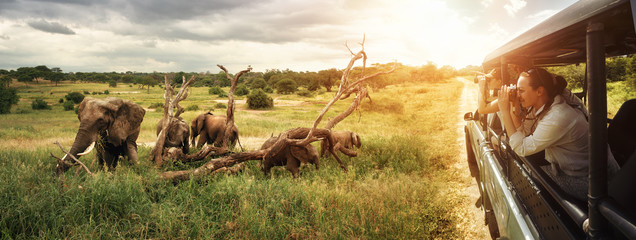
Thinking about an epic journey filled with wild animals and stunning African landscapes on your safari photo? Maybe you’re dreaming of affordable Kenya safari packages, eyeing the best Masai Mara safari packages from Nairobi, or planning a day trip in Nairobi before your great migration adventure.
Whether you’re booking Nairobi National Park safari tours or an all-inclusive safari Kenya package through The Safari Collection or Apex Safari, this guide is for you, especially if you want jaw-dropping safari photos to forever cherish your trip. Safari photography for beginners has never been easier, whether you’ve got a DSLR, a pocket camera, or you’re counting on Safari photography iPhone skills.
Ready to discover the best safari in Kenya, master safari photography settings, and capture every highlight? Let’s make every safari photo a keeper, wherever your affordable Kenya safari packages take you! You’ll pick up useful strategies that work even for Africa safari photography first-timers and get the inside scoop whether your Kenya safari tour package is a luxury adventure or an affordable Kenya safari package from Nairobi.
1. Master Your Gear Before Your First Safari Photo
Safari Kenya is legendary for wildlife and the photo opportunities can be endless, especially when you choose trusted operators like Apex Safari or The Safari Collection, or browse through a mix of affordable Kenya safari packages. But here’s the thing: nothing dampens an adventure faster than fiddling with a camera manual while a pride of lions walks by! Do yourself a favor, spend time before your Kenya safari tours from Nairobi practicing everything you can, from finding the right safari photography settings like aperture and shutter speed to learning how your Safari photography iPhone handles backlighting.

You don’t want the once-in-a-lifetime moment in Nairobi National Park, or a sunrise over the Masai Mara, to be ruined by technical struggles.
The same rule applies if you’re heading out on a 3-day Masai Mara safari from Nairobi or just snapping some Nairobi tours for fun. By practicing at home with varying light, you’ll learn the quirks and strengths of your camera. This means when you’re out exploring Kenya safari locations, from the wilds of Samburu to a luxurious safari hotel Kenya has on offer, you’re ready for every moment.
The more you know your camera, the easier it will be to apply the best safari photography settings, even as the action unfolds at lightning speed right in front of you.
Understand Your Camera’s Strengths
Know the Modes
Let’s dive a bit deeper. Whether you bought a camera just for this trip or you’re doubling down on Safari photography iPhone tricks, modes like Aperture Priority, Shutter Priority, or full Manual open up a world of creative options. Heading out with Apex Safari or exploring The Safari Collection? Try Aperture Priority to get those beautiful blurred backgrounds behind a walking elephant in the Masai Mara.
Shutter Priority is a lifesaver for freezing speedy wildebeest as you explore with Kenya safari all-inclusive packages. Even simple “sports mode” on compact cameras, or iPhone’s “Live Photo”, can be a game changer. When you practice these settings before your trip, you’ll avoid missed opportunities, no matter the lighting at your safari hotel Kenya or the energy level of the wildlife on your Kenya National Park tour.
Test Your ISO
Sometimes, the sun rises later than you hoped, or you find your dream subject just as the clouds roll in. In those moments, having tinkered with ISO during backyard test sessions can help you get that sharp, well-lit Kenya safaris shot, whether it’s a dusk elephant silhouette or an early-morning baboon. Test how high you can push your ISO on your Safari photography iPhone or camera before the pictures get too grainy. This will make your Kenya safari prices feel even more justified when you nail a rare image in tough conditions.
Remember that different Kenya safari locations, from the Maasai Mara plains to the lush areas around your safari hotel Kenya, have unique light, and being confident with ISO is the first step to capturing them all.
If your camera allows, create a custom “safari” preset, so you always have a tried-and-tested combination ready for fast action,think wide aperture, fast shutter speed, and flexible ISO. This handy shortcut works whether you’re off on a Kenya National Park tour, exploring the Mara with Kenya tours and safaris, or going for day trips in Nairobi and need quick, quality safari photography results.
2. Think Beyond the Big Lens for Your Safari Photo
Ever feel that twinge of “lens envy” when someone unpacks a huge, gleaming telephoto? Trust us, amazing safari photos don’t require a Hollywood arsenal! Safari photography for beginners is all about making the best of what you have. Even if you only have a Safari photography iPhone or a basic camera kit on one of those affordable Kenya safari packages from Nairobi, the magic lies in how you use your gear. For instance, a standard zoom can help tell the sweeping story of elephants on the distant horizon, while your phone’s panorama mode can encapsulate a dramatic Mara sunset during that best safari in Kenya booking.

When you’re on tours through The Safari Collection, you’ll be able to play with composition, lighting, and storytelling. In Kenya National Parks, it’s just you and your creativity, no matter the size of your lens.
Maximize the Gear You Own
Use What You Have
There’s a saying among photographers: “The best camera is the one you have with you.” On your Kenya safari tours from Nairobi or adventure with Kenya safaris, what counts is being ready and comfortable. You might be on an all-inclusive Kenya safari with the latest DSLR one minute, then soaking up the view on a day trip in Nairobi, snapping memories on your phone the next. Every Kenya tour and safari presents snapshots,majestic wildlife, energetic guides, or the simple beauty near your safari hotel Kenya. Learn the quick tricks for your equipment, like using burst mode on your phone, so you don’t miss a second.
Tell a Wider Story
We all crave that close-up of a roaring lion or a charging buffalo, but sometimes, the big story is in the background, the endless plains, the dramatic clouds, a safari vehicle kicking up red dust behind. Pull back with your lens or step back with your phone to show your travel group, a guide from your Kenya safari tour package, or the landscape itself. This is the heart of Africa safari photography, where storytelling wins over gear envy every time.
With your Safari photography iPhone, remember that tapping for focus, and swiping to adjust exposure, brings out rich detail,even when shooting bustling city life on Nairobi tours or wild moments on a 5 day Kenya safari from Nairobi. Practice this in advance so on your Kenya National Park tour, you’re always ready.
3. The Magic Hours: Chase the Golden Light for a Perfect Safari Photo
Every guide in Kenya safaris will tell you,the early bird gets the best shot! The light just after sunrise and just before sunset (those golden hours) turns ordinary scenes into extraordinary beauty, no matter which affordable Kenya safari packages you choose.
On a Kenya safari all-inclusive package, your guides will often plan drives to make the most of this magical light, so bring your A-game! Golden hour highlights the vibrant reds and golds of Masai Mara, makes elephants seem to glow on your Kenya National Park tour, and even turns a simple safari hotel Kenya into the backdrop for a National Geographic-worthy safari photo.

Even during a quick day trip in Nairobi, waiting for this warm light can make the city’s parks look surreal and unforgettable.
Shooting at Dawn and Dusk
Capture Silhouettes
Whether you’re up at dawn on a three-day Masai Mara safari from Nairobi, or relaxing with your camera ready at Safari Nairobi, silhouettes are a fun way to experiment during golden hour. Let an acacia tree, giraffe, or even your guide become a dark shape against a glowing sky. These images feel dramatic and truly capture why Africa safari photography is so addictive.
Emphasize Texture
The magic of the golden hour isn’t just about color. The gentle, sideways light paints texture across fur and feathers, carves out the details in elephant skin, and makes dust kicked up by running wildebeest shimmer. Even the thatched roof of your safari hotel Kenya or the dusty trail by your vehicle can become part of a memorable safari photo.
Don’t pack up your camera right after sunset! The “blue hour” that follows bathes landscapes and wildlife in soft, cool light. Try a few shots as you’re heading back from a Kenya safari tour package experience or relaxing at an all-inclusive Kenya safari, these moody, gentle colors might end up as your favorites.
4. Compose a Story for a Memorable Safari Photo
While every traveler on a Safari Nairobi adventure dreams of that perfect lion shot, what about capturing the story? Beyond just wildlife, there are Maasai warriors gathering around a fire at a safari hotel in Kenya, or families of elephants playing in mud on a Kenya National Park tour. Ask yourself every time you snap a picture: does this safari photo tell a story?
Is there a clear beginning, middle, and end, a sense of action or emotion? That’s what makes Africa safari photography so captivating and why the best safari in Kenya is never just about the animals; it’s about the entire adventure!

Each Kenya tour and safari is full of special moments, maybe your group quietly watches a cheetah prowl at dusk or giggles over lunch at your safari hotel Kenya when a baboon tries to sneak a snack.
Framing Your Narrative
The Rule of Thirds
Want pro-level safari photography for beginners? Picture your frame divided into thirds both ways. Placing your subject off-center, not dead in the middle, creates pleasing balance. On Nairobi tours, you can perfect your composition by framing street musicians or playful children at local markets this way. In the wild, position cheetahs, rhinos, or even fellow Kenya safari tours from Nairobi participants at these “thirds” for a pulled-together, professional look.
Show Scale and Environment
Let your photos show just how vast and wild Kenya safari locations are! A single animal in a huge landscape, a safari tour vehicle dwarfed by elephants, or a lodge nestled beneath acacia trees all provide a sense of place. On the best affordable Kenya safari packages, take the time to step back for wide shots,the American friends you make during your Kenya National Park tour will thank you for those epic group memories.
Candid shots and action are gold! Snap Maasai warriors mid-jump, children laughing, or guides pointing out distant buffalo at dawn. Those little interactions, whether in the heart of the Mara or at a cozy safari hotel in Kenya, transform an average photo into an unforgettable story.
5. Be Ready at All Times for That Spontaneous Safari Photo
If you’ve ever heard a Kenya safaris guide shout “Lion on the left!” you’ll know that the best moments vanish in an instant. Whether you’re bouncing along in a trusty Apex Safari vehicle, just starting out with safari photography for beginners, or cruising with your family on a 5 day Kenya safari, always have your gear close by,your camera on, your lens cap off, or your Safari photography iPhone unlocked. Cramming for that split-second shot is never pleasant (and often means you’ll miss the action).

So go ahead: be the person with a camera always ready in their lap, especially during busy Nairobi National Park safari tours or those affordable Kenya safari packages UK friends love to recommend.
Your Go-To Settings
Fast Shutter Speed
Animals aren’t famous for posing,especially when the Mara’s light changes fast, or something exciting happens on a Kenya safari tour package. Your best bet? Keep your shutter speed high (1/1000th second or faster) to freeze the excitement, whether you’re chasing gazelle in the Maasai Mara or catching monkeys leaping at Giraffe Manor. This setting is key, whether you use a classic camera or Safari photography iPhone.
Continuous Autofocus
Let your camera track action for you, so you never miss a shot. This is especially important on Nairobi tours when the city’s wildlife is active or when you’re surrounded by moving herds in the grasslands. It’s the core of best safari photography for beginners: focus, refocus, and trust your gear!
Set your camera or phone to burst mode before each drive, especially when crossing between different Kenya safari locations. That way, whether you’re chasing leopards on a three-day Masai Mara safari from Nairobi or hoping for a snap of zebras blocking the road, you’re always locked and loaded for action, an essential for Africa safari photography!
6. Stabilize Your Camera for a Sharper Safari Photo
Let’s face it,roads on Kenya safaris are designed for adventure, not silky smooth rides! Whether you’re part of Kenya tours and safaris bouncing over a game trail, or you’ve chosen affordable Kenya safari packages with bumpy, real-deal roads, holding your camera steady is tricky.
Every little jolt and jiggle, especially at slow shutter speeds during sunrise or sunset, can blur your masterpiece photo of a lion’s yawn or a giraffe gracefully moving across the Mara. Use any surface you can to stabilize. Beanbags work wonders on the window ledge. Don’t have one? Grab your rolled jacket or use your knee,Safari photography iPhone snappers, this works for you too, especially on a day trip in Nairobi or impromptu urban adventure.
Finding Your Support
Use the Vehicle
A solid surface,window frames, seatbacks, even the shoulder of a trusted guide (ask first!),becomes your best friend on Kenya safari tours from Nairobi or while navigating the plains on all-inclusive Kenya safari adventures. These little tricks, learned from seasoned guides on tours with The Safari Collection, really help make every safari photo pin-sharp.
Bring a Beanbag
Some gear shops in Nairobi and your Kenya safari hotel can sell or lend you a beanbag. It’s light, easy to pack, and, once filled on arrival with beans or rice, turns any bumpy vehicle into a studio for safari photography excellence! This tip really pays off during long drives between Kenya safari locations or at the edge of action-packed watering holes.
No monopod? No problem. Even bracing your phone or camera on your knee makes a difference. And if the engine’s off, the vibrations drop, guaranteeing your photos,be it on a budget Kenya safari tour package or a luxury Nairobi National Park safari booking,are razor-sharp.
7. Focus on the Eyes to Bring Your Safari Photo to Life
There’s something mesmerizing about the gaze of a lion in the Masai Mara or the sharp, intelligent look from a guide as you plan Prague urban photography, but nothing beats eye contact in a wild setting. As you build your Kenya safaris photo album, always lock autofocus on the eyes,whether you’re using an ultimate safari lens or simply relying on Safari photography iPhone portrait mode.
The keyword here, for both best safari photography for beginners and seasoned pros, is connection; sharp eyes make every image jump off the screen. Set your camera’s focus point manually if possible (or tap the screen for iPhone shooters), and wait for that split second when your subject glances toward you, be it buffalo on a Kenya National Park tour or your travel companion sipping tea at sunrise in a safari hotel Kenya.
Techniques for Sharp Eyes
Use Single-Point AF
Your camera probably has lots of focus points; learn how to select just one and put it right on your subject’s eye. This trick draws the viewer in and is a hallmark of the very best Africa safari photography,be it leopards in dense brush, birds in flight, or a candid of your family marveling during their first Kenya safari all-inclusive trip.
Wait for the Right Moment
Give yourself time, especially if you’re enjoying Kenya safari tours from Nairobi with patient guides or have set aside a full five days with a bespoke tour company. Wait until the animal’s eyes catch the light,a fleeting catchlight brings animal portraits to life and ensures your photo stands out from all the rest.
Struggling with low light or a moving subject at dusk after a magical Nairobi National Park tour? Focus on areas of high contrast, like the animal’s whiskers or where sunlight glints,this makes getting focus lock easier, whether you’re using advanced DSLRs on an affordable Kenya safari package or your trusty phone camera in the African bush.
8. Don’t Forget the People and the Place in Your Safari Photo
Take it from those who’ve booked “how to book a safari in Kenya”: your trip is about so much more than wildlife. The guides flashing giant grins, the Masai warriors sharing songs, kids piling into jeeps at Giraffe Manor, and friends gathered at dawn near your safari hotel Kenya, these are priceless memories! When you build your Kenya safari tour package photo story, include these moments.
That day trip in Nairobi can be just as special as the big-five spotting with an Apex Safari tour. Capture it all: group selfies before a game drive, playful guide antics, the wonders of a Nairobi National Park tour, and the camaraderie that grows in every jeep between different Kenya safari locations.
Broaden Your Subject Matter
Capture the Candid Moments
The magic is everywhere! Unexpectedly hilarious encounters (like a baboon grabbing lunch), spontaneous singing, or the awe on someone’s face seeing their first giraffe,these belong right alongside those classic wildlife shots in your Africa safari photography folder. You’ll cherish these on the flight home and relive them forever.
Panoramas of the Landscape
With the wild sweep of Kenya as your backdrop, panoramas work wonders. Whether formatted for social media or as epic prints for your wall, use wide shots to show the endless horizon from your safari hotel Kenya, sunrise over Nairobi, or giraffes parading across the Maasai Mara. The context makes every moment richer.
Start your Kenya safaris album with a “first-day group” shot at the airport or hotel. Add another final shot at the end of your Kenya safari tours from Nairobi. Side by side, you’ll see how people grow, bond, and glow from the experience!
9. Experiment with Different Angles for a Unique Safari Photo
Tired of the same old viewpoint? Stand out from the thousands who book the “best safari in Kenya” each year by mixing up your style. Get down low for impressive animal portraits, climb onto a rock (if it’s safe!) for a sweeping vista, or stick your Safari photography iPhone near the ground to catch an ant’s-eye view of wildebeest crossing a muddy road. Use the ultimate safari lens for drama, then flip to wide mode for perspective.
Try shooting through tree branches, the open window of your Apex safari jeep, or reflecting animals in the watering hole by your safari hotel Kenya. The more you play, the more your safari photography for beginners will feel unique, professional, and endlessly fun.
Creative Compositions
Get Low
Try lying flat (when safe,always listen to guides!) or resting your camera on your shoe. Even during a budget-friendly Kenya safari tour package, this can dramatically alter the scale and drama of a crossing or herd gathering.
Look for Natural Frames
Frames draw the eye and create depth, use trees, bushes, the archway of a lodge, or even shadows on Nairobi tours to craft a next-level composition. You’re telling a story about the land as much as the life that fills it, making your Africa safari photography stand out on every platform.
After a Maasai Mara downpour or cheeky rainfall in Nairobi National Park, look for puddles. Reflections double your photo’s drama, turning a simple roadside stop into art. Don’t be shy,this trick wows, no matter which Kenya safari locations you’re exploring!
10. Put the Camera Down and Just Enjoy the Moment
Here’s the truth: some of the best memories from Kenya safaris happen when the camera is off. That might be watching the first glow of dawn over the Mara, listening to hippos at dusk from your safari hotel Kenya, feeling dust swirl softly through the air, or laughing with guides as you relax around a campfire. Affordable Kenya safari packages and all-inclusive Kenya safari deals are ultimately about living, experiencing, and celebrating Africa,using all your senses, not just your lens!
Sometimes you’ll capture it all in a photo, but just as often, the most powerful stories will live in your heart. Whether you’re planning how to book a safari in Kenya, hunting down the best Kenya safari tour package, or researching cheap Masai Mara safari packages, remember to savor these moments,not just as pictures, but as pure, vibrant memories.
Balancing Photography and Experience
Be Selective
It’s perfect to leap for your camera when a rhino lumbers nearby or when you’re checking in at an iconic safari hotel in Kenya. But once you’ve taken a few shots? Put the camera away and simply watch. Your Africa safari photography album will be better for it, and you’ll create memories that will stay bright in your mind long after you get home.
Engage Your Senses
Inhale the scent of warm earth, listen to the bird calls shift at sunset, savor fresh tea as the evening deepens. Relish these moments and jot them in a travel journal or notes app. Each time you flip through your Kenya safari tour package photos, those words will take you back, and the images become richer, layered with story and feeling!
As each day winds down, jot a few words about your favorite Kenya tours and safaris moment that day,maybe the guide’s laugh, a sudden herd rush, or the joy of finding a long-sought bird. Then, when organizing your album, you’ll tie each picture to an unforgettable experience, making your story as vivid as your safari photo itself!
Whether you’re on a day trip in Nairobi, chasing wildlife in the Masai Mara, comparing Kenya safari packages prices, or booking the best all-inclusive deal from Safari Nairobi, remember: safari photography for beginners starts and ends with enjoying the journey.
With these expanded tips on Kenya safari tours from Nairobi, every safari photography setting you try and the moment you capture will reveal more of the magic. Sprinkle your album with laughter, adventure, awe, and authentic details, and your adventure, and every safari photo, will tell a story only you could live!
Frequently Asked Questions
What are the best settings for safari photography?
For safari photography, start with a fast shutter speed (1/1000s or higher) to freeze animal movement. Use a wide aperture (like f/5.6) to create a blurred background and let in more light. Adjust your ISO as needed, starting around 400-800 and increasing it for low-light situations at dawn or dusk.
How to take a photo in safari?
To take a photo, stabilize your camera using a beanbag or the vehicle’s frame to ensure sharpness. Focus on the animal’s eyes and use burst mode to capture a sequence of shots, increasing your chances of getting the perfect moment. Remember to be patient and wait for the animal to display interesting behavior before you start shooting.
What is the best camera for safari photography?
The best camera is one you are comfortable using, but a DSLR or mirrorless camera with interchangeable lenses offers the most flexibility. A camera with good low-light performance and a fast autofocus system is ideal for capturing wildlife. A zoom lens, such as a 100-400mm, provides great versatility for various situations you’ll encounter.
What is the 20/60/20 rule in photography?
The 20/60/20 rule is a creative guideline for approaching a photoshoot. Spend the first 20% of your time getting the “safe” or standard shots out of the way. Use the next 60% to experiment with different angles, compositions, and techniques to push your creativity, and save the final 20% for trying truly unique or “once-in-a-lifetime” conceptual shots.
Why not wear white on safari?
It’s best to avoid wearing white on safari because it stands out against the natural landscape, potentially startling the animals. White clothing also gets dirty very quickly from the dust on game drives. Neutral, earth-toned colors like khaki, green, and brown are recommended as they help you blend in with the environment.
How to take good pictures on your Africa safari?
To take good pictures, focus on shooting during the “golden hours” of early morning and late afternoon for the best light. Tell a story with your images by capturing animal behavior and interactions rather than just static portraits. Also, remember to change your perspective by getting low or looking for creative framing to make your photos unique.
How do I change the camera settings in safari?
You can change camera settings using the dials and buttons on your camera body or through its menu system. Familiarize yourself with how to quickly adjust shutter speed, aperture, and ISO before your trip. Many cameras also allow you to save custom setting presets, which can be helpful for switching quickly between different lighting or action scenarios.
What is the photo safari method?
The photo safari method involves dedicating your trip to photography, often with a professional guide who understands lighting, animal behavior, and vehicle positioning. The goal is to maximize photographic opportunities by being in the right place at the right time. This approach emphasizes patience, observation, and a focus on capturing high-quality images that tell a story.
How do you go to the bathroom on an African safari?
During game drives, your guide will find a safe, discreet spot with good visibility for a “bush break” behind a tree or termite mound. Most safari lodges and camps have modern, plumbed restroom facilities. At designated picnic spots within the national parks, there are often basic restroom facilities available for use.
Should I use 3:4 or 9:16 camera settings?
The choice between a 3:4 and 9:16 aspect ratio depends on where you plan to share your photos. A 3:4 ratio is a standard photography format that works well for prints and general viewing. The 9:16 ratio is a vertical format ideal for social media stories on platforms like Instagram or TikTok.
Ready to explore East Africa?
Contact Authenticwaysadventures.com today to customize your unforgettable Kenya and Tanzania safari experience.
Get in Touch
- +254 768 014 998
- authenticwaysadventuresltd@gmail.com
- info@authenticwaysadventures.com
Address
- Venus Complex Northern Bypass.
1st floor room 4107
Hours
Sat-Sun 9:00AM – 3:00PM
Mon-Fri 8:00AM – 5:00PM


Comments are closed