

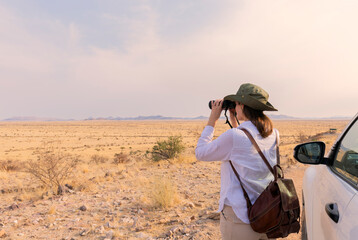
Discover the ultimate guide on what to wear on safari in Kenya for ladies. Stay stylish, comfortable, and safari-ready with our expert tips and advice!
Ultimate Guide: What to Wear on Safari in Kenya for Ladies
So, you’ve booked your dream trip to Kenya! Get ready for breathtaking landscapes, incredible wildlife encounters, and memories that will last a lifetime. As the excitement builds, one big question probably pops into your mind: “What on earth do I pack?”
Packing for a safari can feel a little tricky, especially when you want to be comfortable, practical, and maybe even a little stylish. You’re not just packing for a vacation; you’re preparing for an adventure. But don’t you worry.
We’ve got you covered with the ultimate guide on what to wear on safari in Kenya for ladies. This isn’t just a list; it’s your new best friend for creating a wardrobe that’s perfect for every moment, from dusty game drives to cozy evenings by the campfire. Ready to dive in and plan the perfect safari outfits?
The Foundation: Mastering Safari-Chic Basics
Before you start throwing everything you own into a suitcase, let’s talk strategy. The key to safari dressing is all about balance. You need clothes that are functional for long days in a safari vehicle but also comfortable enough to relax in at your lodge. It’s a unique blend of rugged and relaxed. The secret? It all comes down to fabric, fit, and color.
Think lightweight, breathable materials that protect you from the sun and insects. Your clothing choices will set the stage for your entire experience, ensuring you’re prepared for the changing temperatures and activities that a Kenyan safari offers. Let’s break down the core principles of your safari wardrobe so you can pack like a seasoned pro and look effortlessly cool while doing it.
Why Your Fabric Choice Matters More Than You Think
Imagine sitting in an open-top vehicle under the warm African sun. The last thing you want is to be stuck in a synthetic fabric that traps heat and makes you feel sticky. That’s why choosing the right materials is non-negotiable.
Go for Natural and Breathable Fabrics
Cotton and linen are your best friends on a safari. These natural fibers are lightweight and allow air to circulate, keeping you cool and comfortable even when the temperatures rise. They are soft against the skin and perfect for long game drives. Moisture-wicking fabrics, often found in athletic wear, are also a fantastic option. They pull sweat away from your body, which helps you stay dry and comfortable throughout the day. This is particularly useful if you’re doing a walking safari or visiting during a more humid time of year.
Quick-Drying Materials for the Win
Kenya’s weather can be unpredictable. You might encounter a brief rain shower, especially during the wet seasons. Having clothes made from quick-drying materials is a game-changer. They won’t stay damp for long, and many lodges, like the ones used by Authentic Ways Adventures, offer laundry services, so you can have your favorite safari shirt clean and ready for the next day’s adventure. This practicality means you can pack lighter without sacrificing comfort or cleanliness, making your travel experience much smoother.
Check the fabric labels on your clothes before packing. Aim for a high percentage of cotton, linen, or specific moisture-wicking blends. Leave the heavy polyester and nylon at home, as they’ll feel restrictive and hot.
Cracking the Safari Color Code
Believe it or not, the colors you wear on safari can actually make a difference. It’s not just about aesthetics; it’s about blending in with the natural environment and avoiding unwanted attention from insects. Picking the right color palette is a crucial part of knowing what to wear in Kenya as a woman. You want to look like you belong in the stunning landscapes of the Maasai Mara or Amboseli, not like a tourist who sticks out like a sore thumb. A well-chosen color scheme helps you get closer to wildlife without disturbing them and keeps you more comfortable.
The Best Colors for Your Safari Adventure
So, what colors should you be packing? Think about the earth tones you see in nature documentaries. These are your go-to shades for the perfect safari wardrobe.
Embrace the Neutrals
Khaki, beige, olive green, and muted browns are the classic safari colors for a reason. These shades help you blend seamlessly into the bush, which can enhance your wildlife viewing experience. Animals are less likely to be startled by someone wearing colors that mimic their natural surroundings. These colors also have a practical benefit: they don’t show dust and dirt as easily as lighter colors, so you’ll look fresh even after a long and dusty game drive. It’s a simple trick that makes a huge difference in how you feel and look throughout your trip.
Soft Pastels and Light Tones
While you should avoid bright white, which can be glaring in the sun and gets dirty instantly, other light colors can work well. Think soft stone, light grey, or muted pastels. These colors are excellent for reflecting heat and keeping you cool during the hot midday hours. They offer a stylish alternative to the traditional khaki and can be mixed and matched to create beautiful, understated outfits perfect for your Instagram feed. Just remember to keep them on the subtle side to maintain that blend-in-the-bush advantage.
Colors Not to Wear in Kenya
Just as important as knowing what to wear is knowing what not to wear. Certain colors can attract insects or make you stand out to wildlife, which you want to avoid.
Say No to Dark Blue and Black
This is a big one. Tsetse flies, which are common in some parts of Kenya, are attracted to dark, contrasting colors, especially blue and black. Their bite can be painful, and while the risk of sleeping sickness is extremely low in tourist areas, it’s best to avoid attracting them altogether. Reserve your dark-colored clothing for evenings at the lodge, where the risk is minimal. During game drives, sticking to lighter, neutral tones is your safest and most comfortable bet.
Steer Clear of Bright and Bold
Bright colors like red, orange, and neon shades should be left at home. These vibrant hues can make you highly visible to animals, potentially scaring them away before you get a chance for that perfect photo. You want to be an observer in their world, not an intrusion. Similarly, camouflage patterns are a no-go. In many African countries, including Kenya, wearing camouflage is associated with the military and is often illegal for civilians. It’s better to play it safe and stick to solid, neutral colors.
Create a capsule wardrobe with 4-5 complementary neutral colors. This makes mixing and matching a breeze and ensures every outfit is safari-appropriate. Think khaki pants with an olive top one day and beige shorts with a stone-colored shirt the next.
Layering: Your Secret Weapon for All-Day Comfort
If there’s one golden rule for dressing on a Kenyan safari, it’s this: layer, layer, layer! The temperature can change dramatically throughout the day. Early morning game drives can be surprisingly chilly, afternoons can be scorching hot, and evenings can cool down again quickly. Layering allows you to adapt to these fluctuations with ease, ensuring you’re always comfortable, no matter what the weather throws at you. Mastering the art of layering is essential when deciding what to wear on safari evenings and for those crack-of-dawn excursions. It’s the most practical way to prepare for a full day of adventure.
Building Your Perfect Layering System
Think of your outfit as a three-part system: a base layer, a mid-layer, and an outer layer. Each one serves a specific purpose to keep you comfortable.
The Breathable Base Layer
Start with a lightweight, breathable top as your base. This could be a simple cotton t-shirt, a tank top, or a long-sleeved shirt made of moisture-wicking fabric. The goal of this layer is to sit comfortably against your skin and manage moisture. On a hot afternoon, this might be all you need to wear. A neutral-colored t-shirt is a versatile piece that can be worn on its own or as part of a layered look, making it a must-have in your safari suitcase.
The Cozy Mid-Layer
Your mid-layer is all about warmth. This is the piece you’ll be grateful for when the sun hasn’t quite risen and there’s a crisp chill in the air. A fleece jacket is the perfect mid-layer. It’s lightweight yet incredibly warm and easy to pack. You can easily take it off and stow it in your daypack as the day heats up. A cozy cardigan or a zip-up hoodie can also work well, especially for relaxing at the lodge in the evenings.
The Protective Outer Layer
Finally, you’ll want a versatile outer layer. A waterproof or windproof jacket is a great idea, particularly if you’re traveling during the rainy seasons. It will protect you from unexpected showers and block the wind during open-vehicle game drives. Look for a lightweight, packable jacket that won’t take up too much space in your luggage. Some safari enthusiasts also swear by a gilet or vest, which keeps your core warm while leaving your arms free.
A large, lightweight scarf or a traditional Kenyan kikoy is an incredibly versatile layering piece. You can use it as a scarf for warmth in the morning, a shawl to cover your shoulders from the sun, or even a makeshift blanket. It adds a touch of style and a ton of practicality.
Dressing for the Game Drive: Practicality is Queen
The game drive is the heart of your safari experience. You’ll spend hours in a vehicle, scanning the horizon for lions, elephants, and giraffes. Your comfort during these drives is paramount, so your clothing needs to be practical above all else. You’ll be sitting for long periods, but you might also need to move quickly to get the best photo angle. You’ll also be exposed to sun, wind, and dust. The right outfit will protect you from the elements and allow you to focus on the incredible wildlife around you.
Essential Clothing for Your Time in the Bush
Let’s get down to the specifics. What should you actually wear for a day out in the national parks?
Comfortable and Versatile Trousers
A good pair of safari trousers is worth its weight in gold. Look for lightweight, breathable pants in a neutral color. Convertible pants that zip off into shorts are a fantastic option, giving you two pieces of clothing in one. You can start the cool morning with long pants and then switch to shorts as the day warms up. Cargo pants are also a great choice, as the extra pockets are handy for storing small items like your phone, lip balm, or a lens cap.
Long-Sleeved Shirts for Protection
While it might seem counterintuitive to wear long sleeves in a warm climate, they are your best defense against the intense African sun and pesky insects like mosquitoes. A loose-fitting, long-sleeved shirt made of cotton or linen will keep you cool while providing excellent protection. You can roll up the sleeves when you want a bit more air. This is a crucial consideration for your health and comfort, making it a key part of figuring out what to wear in Kenya as a woman.
The Right Kind of Shorts
If you prefer shorts, make sure they are a comfortable length—not too short, not too long. Walking shorts or Bermuda-style shorts are ideal. They offer more coverage and are more practical for getting in and out of a safari vehicle than very short shorts. Again, stick to those trusty neutral colors to complete your practical and stylish game drive look.
Bring a pair of sports bras. The roads in the national parks can be bumpy and uneven. A supportive and comfortable sports bra will make those “African massages” much more bearable, ensuring your comfort throughout the day.
Footwear Focus: The Right Shoes for Every Occasion
Your shoe choice can make or break your safari experience. You’ll be on your feet more than you think, whether you’re on a walking safari, exploring your lodge, or navigating the airport. Bringing the right footwear is essential for comfort and safety. You don’t need a suitcase full of shoes, but you do need a few versatile pairs that can handle different terrains and activities. From dusty tracks to polished lodge floors, your feet need to be prepared for anything.
Choosing Your Safari Shoes
Let’s walk through the three main types of shoes you should consider packing for your Kenyan adventure.
Sturdy Shoes for Walking
Even if you don’t have a dedicated walking safari planned, you’ll still want a pair of sturdy, closed-toe shoes. Light hiking boots or trail running shoes are perfect. They provide good ankle support, which is important on uneven ground, and protect your feet from thorns, rocks, and insects. Make sure you break them in before your trip to avoid painful blisters. These are the shoes you’ll wear for any activity that involves walking on natural terrain, ensuring your feet stay safe and comfortable.
Comfortable Shoes for the Vehicle
For long game drives where you’ll be sitting most of the time, heavy hiking boots can feel cumbersome. A pair of comfortable sneakers or canvas shoes like Toms or Converse are a great alternative. They are lightweight, breathable, and easy to slip on and off. You can relax your feet during the drive and still have a practical shoe for hopping out to take photos or enjoy a bush breakfast. This is a great tip for anyone wondering what to wear on safari in Kenya in July or August when the weather is mild.
Casual Sandals for the Lodge
After a long day of adventure, you’ll want to give your feet a break. Pack a pair of comfortable sandals or flip-flops to wear around the lodge or by the pool. They are perfect for relaxing in the evenings or walking to the dining area. A pair of stylish flat sandals can even be dressed up for dinner, giving you an elegant yet comfortable option for your evenings.
Don’t forget to pack good socks! Bring a few pairs of moisture-wicking socks to wear with your closed-toe shoes. They will keep your feet dry and help prevent blisters, especially if you’re doing any walking.
Evening Attire: From Campfire Casual to Lodge Elegant
As the sun sets over the savanna, your day of adventure transitions into an evening of relaxation. Safari evenings are a magical time, often spent sharing stories around a campfire, enjoying a delicious meal, or simply listening to the sounds of the African night. Your evening attire should reflect this change in pace. While comfort is still important, you can add a touch of style. What to wear on safari evenings depends largely on your accommodation, but the general rule is to stay cozy and protected from mosquitoes.
Dressing for Dinner and Downtime
Evenings in Kenya can get cool, so your outfit should provide some warmth while remaining comfortable and relaxed.
Cozy and Comfortable Layers
After a refreshing shower, you’ll want to slip into something clean and comfortable. A pair of fresh trousers or leggings paired with a long-sleeved top is a great start. This combination also provides excellent protection against mosquitoes, which are most active at dusk and dawn. Throw a warm fleece, a cozy sweater, or a stylish shawl over your shoulders for an extra layer of warmth as you head to dinner or gather around the fire.
A Touch of Casual Elegance
If you’re staying at a more upscale lodge or tented camp, you might want to dress up a little for dinner. This doesn’t mean you need a cocktail dress and heels. A smart-casual look is perfect. A simple maxi dress paired with flat sandals and a beautiful scarf or pashmina is an effortlessly chic option. Linen trousers with a nice blouse also strike the right balance between relaxed and refined. It’s about feeling comfortable while still looking put-together.
The Importance of Mosquito Protection
Evenings are primetime for mosquitoes, so covering up is your best line of defense. Long sleeves and long pants are a must. Applying a good insect repellent to any exposed skin is also crucial. Some travelers even prefer to wear lighter-colored clothing in the evenings, as mosquitoes are said to be more attracted to dark colors. It’s a simple precaution that can prevent a lot of itchy discomfort.
Pack a few simple accessories like a statement necklace or a colorful scarf. They take up minimal space in your luggage but can instantly elevate a simple outfit, making you feel a bit more glamorous for your evening under the stars.
Seasonal Style: What to Wear Throughout the Year
Kenya is a year-round destination, but the weather does vary depending on the season. Knowing what to expect weather-wise during your travel dates will help you fine-tune your packing list. Whether you’re visiting during the dry season or the green season, your wardrobe will need slight adjustments. This is especially important when planning what to wear on safari in Kenya in June, July, August, September, or October, which are popular months for travel.
Packing for Kenya’s Dry and Wet Seasons
Let’s look at the different times of the year and what they mean for your safari wardrobe.
The Cool Dry Season (June to October)
This is peak safari season, and for good reason. The weather is generally beautiful, with sunny days and clear skies. However, it can get very cold, especially in high-altitude areas like the Maasai Mara. What to wear on safari in Kenya in June, July, or August should definitely include warm layers. Pack a warm fleece, a beanie, gloves, and a scarf for those early morning game drives. While the afternoons are pleasant, the mornings and evenings require proper insulation. Layering is absolutely essential during these months.
The Hot Dry Season (January and February)
This period is generally hot and dry. Your focus should be on lightweight, breathable clothing. Loose-fitting cotton and linen shirts and trousers will be your best friends. Sun protection is critical, so a wide-brimmed hat, sunglasses, and high-SPF sunscreen are non-negotiable. While it’s hot, still pack a light jacket or fleece, as the early mornings can have a surprising chill before the sun fully rises.
The Rainy Seasons (March to May and November to December)
Traveling during the “green season” has its perks, including fewer crowds and lush, vibrant landscapes. However, you need to be prepared for rain. A waterproof and breathable jacket is essential. Quick-drying clothes will also be a lifesaver. Your footwear should be able to handle muddy conditions, so waterproof hiking boots are a smart choice. Despite the rain, it can still be warm and humid, so continue to pack lightweight, breathable layers underneath your rain gear.
Regardless of the season, the sun at the equator is strong. Always pack a wide-brimmed hat, sunglasses with UV protection, and a high-SPF sunscreen (SPF 30 or higher). Sun protection is a year-round necessity in Kenya.
Beyond the Safari Vehicle: Dressing for Other Activities
Your Kenyan adventure might include more than just game drives. You could find yourself visiting a local Maasai village, exploring the bustling streets of Nairobi, or relaxing on the beautiful beaches of the coast. Each of these experiences calls for a slightly different dress code. Being prepared with appropriate attire shows respect for the local culture and ensures you feel comfortable in every setting. It’s an important part of understanding what to wear in Kenya as a woman.
From Cultural Visits to City Exploration
Let’s explore what to wear for some of the unique experiences Kenya has to offer.
Visiting a Local Village or Community
When you visit a traditional community, such as a Maasai or Samburu village, dressing modestly is a sign of respect. This means covering your shoulders, cleavage, and knees. A long skirt or loose-fitting trousers paired with a modest top (with sleeves) is a perfect choice. A lightweight scarf or shawl is also a great item to have on hand to drape over your shoulders if needed. Avoid shorts, tank tops, and tight-fitting clothing. Dressing respectfully will enhance your interaction and show your appreciation for their culture.
Exploring Nairobi or Other Cities
In major cities like Nairobi, the dress code is more relaxed and Westernized. You can comfortably wear jeans, t-shirts, and dresses. However, it’s still a good idea to dress on the conservative side, especially if you plan to walk around and explore different neighborhoods. A smart-casual approach works best. Think comfortable walking shoes, stylish trousers or a skirt, and a nice top. If you plan on visiting religious sites, be prepared to cover up.
Relaxing on the Kenyan Coast
If your itinerary includes a trip to Diani Beach or Lamu, you can pack your swimwear! Bikinis and swimsuits are perfectly acceptable on the beach and at resort pools. However, the coastal region has a strong Muslim influence, so when you leave the resort to explore local towns or markets, it’s respectful to dress modestly. A maxi dress, a sarong (or kanga) wrapped as a skirt, or loose linen pants with a top are all great options.
Authentic Ways Adventures often includes unique cultural immersion experiences in their itineraries. Asking them for specific advice on what to wear for these activities before you travel is a great way to ensure you’re perfectly prepared for these special opportunities.
Accessorize Smartly: The Little Things That Make a Big Difference
Accessories are the finishing touch to any outfit, and on safari, they are as much about function as they are about fashion. The right accessories can protect you from the elements, keep your essentials organized, and add a pop of personal style to your practical safari wardrobe. Don’t underestimate the power of these small items; they can significantly enhance your comfort and convenience during your trip.
Essential Accessories for Your Packing List
Here are the must-have accessories that deserve a spot in your duffel bag.
Sun Protection Staples
A wide-brimmed hat is your number one accessory. It will shield your face, neck, and ears from the powerful equatorial sun. Choose one that’s packable and has a strap to keep it from flying off in the wind during game drives. Sunglasses with full UV protection are also essential to protect your eyes from the bright glare. And don’t forget lip balm with SPF to prevent chapped lips in the dry air.
The Perfect Safari Bag
You’ll need a daypack or a comfortable crossbody bag to carry your essentials on game drives. It should be large enough to hold your camera, binoculars, water bottle, sunscreen, and an extra layer of clothing. A backpack is great for distributing weight, while a crossbody bag keeps your valuables secure and easily accessible. Choose a durable, lightweight bag that you don’t mind getting a little dusty.
A Versatile Scarf or Shawl
A large, lightweight scarf is one of the most versatile items you can pack. On a chilly morning, it provides extra warmth. During a sunny afternoon, you can use it to cover your neck or shoulders. It can protect your face from dust on a windy day, and it can add a touch of elegance to your evening outfit. A colorful Kenyan kanga or kikoy is a wonderful and authentic option that also makes a great souvenir.
Pack a headlamp or a small flashlight. Many safari camps have limited lighting at night to preserve the natural ambiance. A headlamp will be invaluable for navigating your way back to your tent or room after dinner, leaving your hands free.
The Ultimate Women’s Safari Packing Checklist
Feeling ready to start packing? Let’s put it all together in one easy-to-follow checklist. This comprehensive list covers everything from clothing to toiletries, ensuring you don’t forget any of the essentials. Think of this as your final guide to what to wear on safari in Kenya for ladies. Use it to tick off items as you pack, and you’ll be on your way to a stress-free and perfectly prepared adventure.
Your Go-To List for a Kenyan Safari
Organize your packing around these categories for maximum efficiency.
Clothing Essentials
- 3-4 Neutral-colored long-sleeved shirts (cotton, linen, or moisture-wicking)
- 3-4 Neutral-colored t-shirts or tank tops for layering
- 2-3 Pairs of comfortable safari trousers (khaki, beige, or olive)
- 1 Pair of convertible zip-off trousers
- 1-2 Pairs of comfortable shorts (mid-thigh or longer)
- 1 Warm fleece or mid-weight jacket
- 1 Lightweight waterproof/windproof jacket
- 1-2 Smart casual outfits for evenings (e.g., maxi dress, linen pants with a nice top)
- 1 Modest outfit for cultural visits (long skirt or trousers and a top with sleeves)
- 7-8 Pairs of underwear (including a few sports bras)
- 4-5 Pairs of moisture-wicking socks
- 1 Swimsuit (if your lodge has a pool)
- Pajamas
Footwear
- 1 Pair of broken-in hiking boots or sturdy trail shoes
- 1 Pair of comfortable sneakers or canvas shoes
- 1 Pair of sandals or flip-flops for the lodge
Accessories
- 1 Wide-brimmed hat
- 1 Pair of UV-protection sunglasses
- 1 Large scarf, pashmina, or kikoy
- 1 Daypack or crossbody bag
- A beanie and gloves (especially for travel between June-August)
Toiletries and Health
- High-SPF sunscreen (SPF 30+)
- Insect repellent with DEET
- Lip balm with SPF
- Personal medications and a small first-aid kit (painkillers, antihistamines, blister plasters)
- Biodegradable wet wipes and hand sanitizer
- Feminine hygiene products
- Basic toiletries (many lodges provide them, but you may prefer your own brand)
Gadgets and Extras
- Camera with extra batteries and memory cards
- Binoculars (highly recommended!)
- Power bank and universal travel adapter (Kenya uses Type G plugs)
- Headlamp or small flashlight
- Reusable water bottle
- A good book or journal for downtime
Pack using packing cubes! They are a fantastic way to keep your luggage organized, separating clean clothes from dirty ones and making it easy to find what you need without unpacking your entire bag. Also, remember that most small charter flights within Kenya have a strict luggage limit of 15 kg (33 lbs) in soft-sided duffel bags. Pack smart and pack light
Ready to explore East Africa?
Contact Authenticwaysadventures.com today to customize your unforgettable Kenya and Tanzania safari experience.
Get in Touch
- +254 768 014 998
- authenticwaysadventuresltd@gmail.com
- info@authenticwaysadventures.com
Address
- Venus Complex Northern Bypass.
1st floor room 4107
Hours
Sat-Sun 9:00AM – 3:00PM
Mon-Fri 8:00AM – 5:00PM


Comments are closed