

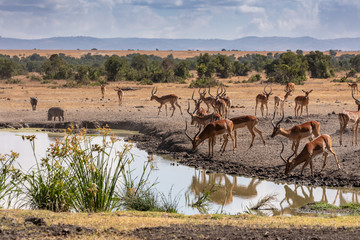
Kenya’s conservancies are special pockets of wilderness where wildlife, communities, and responsible tourism all come together. Unlike the crowded national parks, a Conservancy Safari gives you access to protected lands often bordering famous reserves like the Masai Mara or Samburu. These areas are typically owned by local Maasai or Samburu communities, who partner with eco-friendly safari operators to preserve the habitat and support their livelihoods. This means your visit directly helps protect wildlife and empowers the people who have lived alongside these animals for generations.
Conservancies often offer a more exclusive feel,think fewer safari vehicles, flexible activities like night drives, and a deeper sense of privacy. You’ll find everything from ultra-luxury camps like Mahali Mzuri and Ol Donyo Lodge to superb midrange choices such as Kicheche Mara and Porini camps, and even budget-friendly tented stays, so there’s truly something for everyone.
Prices range from budget options at $200 per person per night to luxury experiences well above $1000 a night, often with all-inclusive service. What sets a Conservancy Safari apart is the personal touch,the guides know the landscape intimately, and you might even meet the landowners or join in community-led conservation projects. Compared to national parks, conservancies let you venture off-road for prime wildlife encounters, enjoy bush breakfasts, and experience Kenya’s wild beauty without the crowds.
Whether you’re after big cat encounters, rhino tracking, or cultural immersion, this is your gateway to a meaningful, thrilling, and truly special African adventure.
You might be wondering, what exactly is the big deal? Let’s dive in.
What Is a Conservancy Safari?
So, what separates a Conservancy Safari from a traditional trip to a national park? Think of it as the VIP pass to the African wilderness. A conservancy is a protected area of land, usually bordering a national park, that is owned by local communities,often the Maasai or Samburu people,and leased to eco-conscious tourism partners.
This partnership creates a buffer zone for wildlife to roam freely while generating income for the local landowners. A Conservancy Safari offers a unique model where tourism, community, and conservation are woven together, providing an experience that is both exclusive and deeply meaningful. You get all the incredible wildlife without the crowds.
The Big Difference: Parks vs. Conservancies
A New Level of Safari
Unlike national parks, which can get crowded, conservancies limit the number of visitors and vehicles. This means when you spot a leopard lounging in a tree on your Conservancy Safari, you’re likely to be one of the very few, if not the only, group there. This exclusivity ensures a more personal and authentic wildlife encounter.
Direct Impact on Conservation
The fees you pay for your Conservancy Safari go directly toward protecting the habitat, funding anti-poaching patrols, and supporting community development projects like schools and clinics. You become an active participant in a sustainable model that ensures the survival of these precious ecosystems for generations to come.
Pro Tip: When you meet your guide, ask them about the specific conservation projects your visit is supporting. They often have amazing stories about how the Conservancy Safari model is making a real-world difference.
Why Choose a Conservancy Safari in Kenya?
Why should you choose a Conservancy Safari for your Kenyan adventure? The answer lies in the unique blend of exclusivity, freedom, and positive impact. Imagine tracking a pride of lions on foot with a Maasai warrior or heading out after dark to witness the secret lives of nocturnal animals.
These are the kinds of unforgettable experiences that are often only possible within the private, flexible framework of a conservancy. A Conservancy Safari is not just about what you see; it’s about how you see it and the legacy you leave behind.
The Unmatched Benefits
Exclusive Wildlife Experiences
With fewer vehicles and strict visitor limits, the wildlife on a Conservancy Safari is often more relaxed and behaves more naturally. This allows for closer, more intimate encounters. Your guide can even take you off-road to get a better vantage point,a freedom rarely permitted in national parks.
Unique Activities
A Conservancy Safari unlocks a whole new world of adventure. You can embark on guided bush walks to learn about the smaller wonders of the ecosystem, enjoy a breathtaking hot air balloon ride at sunrise, or share stories around a campfire during a magical fly-camping experience under the stars.
Always say yes to a night drive! The African bush completely transforms after sunset. It’s your best chance to spot elusive creatures like leopards, aardvarks, and honey badgers on your Conservancy Safari.
Top 10 Conservancies in Kenya for an Exclusive Safari
Kenya’s conservancies are a fascinating success story in African wildlife tourism. Developed as a partnership between local communities, private landowners, and tourism operators, each conservancy blends vital habitat protection with authentic safari adventure,and a portion of your Conservancy Safari cost goes directly to conserve the land and benefit local people.
Conservancies are often adjacent to famous national parks but offer a much more intimate, uncrowded atmosphere. There’s a huge range of styles and budgets,think luxury eco-lodges, classic tented camps, and even family-friendly midrange options. Whether you want to see the world’s last northern white rhinos, follow lions on a guided walk, or sleep under the stars, there’s a Conservancy Safari spot that fits your dream. Here’s an expanded look at the best conservancies in Kenya.
1. Ol Pejeta Conservancy
Rhino Haven and Conservation Hub
Ol Pejeta is world-famous for its rhino conservation work,home to the last two northern white rhinos, and over 140 critically endangered black rhinos. On your Conservancy Safari here, you can join anti-poaching rangers on patrol, track lions by radio collar, or visit the Sweetwaters Chimpanzee Sanctuary. Accommodation covers everything from the luxury Kicheche Laikipia Camp and Ol Pejeta Bush Camp (midrange to luxury, $400–800 per person/night) to affordable self-catering options at The Stables. Special features include night game drives and visits to local communities.
2. Lewa Wildlife Conservancy
A UNESCO World Heritage Site
This pioneering conservancy blends epic wildlife viewing with meaningful community involvement. It’s one of the best places for rhinos, Grevy’s zebra, and beautiful views of Mt. Kenya. Enjoy a Conservancy Safari at eco-luxe lodges such as Lewa Safari Camp and Lewa Wilderness (luxury, $500+ pp/night), or midrange at Sirikoi. Unique to Lewa: horseback and camel safaris, school visits, and incredible walking safaris. Lewa’s entry fees directly support both conservation and local schools/clinics.
3. Mara Naboisho Conservancy
The Lion’s Kingdom
Mara Naboisho is all about big cats,with one of the highest lion densities in Africa, plus cheetahs, elephants, and the drama of the Great Migration using the conservancy as a corridor. Visitor numbers are strictly limited, so your Conservancy Safari is private and exclusive. Popular camps include Naboisho Camp (upmarket luxury, $700–900 pp/night), Eagle View Camp (mid-upper range), and Basecamp Explorer for a family-friendly touch. Enjoy bush walks, night drives, hot-air balloon rides, and community visits.
4. Olare Motorogi Conservancy
Unrivaled Predator Action
Known as the Mara’s “predator capital,” it boasts the highest density of lions in the region,and very few tourists. This Conservancy Safari spot is a favorite for photographers and those who want to witness classic scenes without crowds. Stay at Mara Plains Camp (ultra-luxury, $1000+ pp/night), Olare Mara Kempinski, or Porini Lion Camp (luxury-tented), among others. Guests can do off-road game drives, bush breakfasts, sundowners, and even cultural visits to Maasai villages.
5. Borana Conservancy
Adventure Meets Conservation
Borana is a private, family-owned gem focused on sustainable tourism and “conservation first.” Walk, mountain bike, or even ride horses among elephants, rhinos, and giraffes,unforgettable! Lodging ranges from Borana Lodge (award-winning, $800+ pp/night including activities) to Leparua House (luxury private villa). Conservancy Safari guests help fund rhino conservation, ranger salaries, and community projects. Don’t miss rhino tracking and the immersive “behind the scenes” conservation tours.
Always check for special deals,midrange conservancy safaris are more affordable out of peak migration season, and exclusive-use villas or family tents often offer great shared-value packages.
6. Ol Kinyei Conservancy
The Mara’s Pioneering Conservancy
This was the first private and community-owned conservancy in the Mara ecosystem,renowned for beautiful open plains, rolling hills, and a high density of wildlife. Only a couple of camps operate here: Porini Mara Camp and Porini Cheetah Camp (both eco-friendly, great value at $400–600 pp/night on all-inclusive basis). Your Conservancy Safari here might include hot air ballooning, night drives, Maasai community walks, and some of the best game viewing in uncrowded settings.
7. Mara North Conservancy
Diverse Landscapes, Intimate Encounters
Covering a vast 74,000 acres of prime Mara wilderness, Mara North is legendary for its leopard sightings and riverine forests. Camps like Karen Blixen Camp (midrange), Ngare Serian, and Elephant Pepper Camp (luxury tented) provide classic safari experiences, with rates from $450–$1000+ pp/night depending on category. Your Conservancy Safari supports local Maasai landowners directly, and you’ll enjoy exclusive game drives, bush dinners, photography hides, and close-up animal encounters.
8. Loisaba Conservancy
Wild Adventure and Starry Nights
If unique experiences are your thing, Loisaba delivers. Here, a Conservancy Safari means sleeping under the stars in their famous “Star Beds,” riding camels or horses across the savanna, mountain biking, and even fishing. Loisaba Lodo Springs and Loisaba Tented Camp (luxury and mid-luxury, $600–$900+ pp/night) are standouts. The conservancy is also a sanctuary for wild dogs and has an exceptional anti-poaching dog unit. Don’t miss: guided bush walks and visits to local Samburu communities.
9. Mount Kenya Wildlife Conservancy
Saving the Mountain Bongo
At the foothills of Mount Kenya, this unique conservancy is a leader in protecting the rare and endangered Mountain Bongo antelope,plus home to the Mount Kenya Safari Club (luxury, $400+ pp/night), Fairmont Mount Kenya, and charming midrange lodges. Your Conservancy Safari can include bongo breeding programs, forest walks, animal orphanage tours, and birdwatching. It’s a great base if you want wilderness with a mountainous twist and lots of conservation learning.
10. Namunyak Wildlife Conservancy
Samburu Culture and Elephant Rescue
Namunyak, just north of Samburu, is vast and truly wild,850,000 untouched acres of dramatic hills and acacia bush. Famous for Reteti Elephant Sanctuary, Africa’s first community-run elephant orphanage, it’s also home to Sarara Camp (luxury eco-camp, $900+ pp/night), Kalepo Camp (mid-upper tier), and mobile fly camps for adventurers. Take part in walking safaris, cultural singing, well visits, community celebrations, and conservation volunteering. Conservancy Safari guests here immerse in Samburu culture and support animal rescue directly.
With such diversity, mix and match your Conservancy Safari with a night or two at a luxury property and a couple more nights in a mobile or tented camp for totally different vibes and price points.
One of the biggest draws of a Conservancy Safari is the incredible variety of activities on offer. Because they are private lands, conservancies are not bound by the same strict rules as national parks. This opens up a world of possibilities for exploring the bush in exciting and immersive ways. You’re not just a spectator in a vehicle; you’re an active participant in the wilderness. This flexibility allows you to create a much more personal and memorable Conservancy Safari adventure that goes far beyond the traditional game drive.
Ways to Explore the Wild
Night Game Drives
This is a must-do on any Conservancy Safari. After dark, the bush comes alive with a whole new cast of characters. With a powerful spotlight, your guide can help you find nocturnal creatures like leopards, genets, porcupines, and the elusive aardvark.
Guided Bush Walks
Walking through the African bush with a trained guide is a truly humbling experience. You’ll learn to track animals, identify birds, and appreciate the smaller details you miss from a vehicle. A walking Conservancy Safari connects you to the land in a profound way.
Don’t be afraid to ask for a customized activity. Want to spend an entire morning tracking a specific pride of lions or birdwatching by the river? Most camps in a conservancy are happy to tailor the Conservancy Safari experience to your interests.
Best Time to Visit Kenyan Conservancies
While Kenya is a fantastic year-round destination, the best time for your Conservancy Safari depends on what you want to see and do. The weather patterns and wildlife movements vary across different regions, so it’s good to know what to expect. Whether you’re hoping to witness the Great Migration or enjoy the lush, green landscapes after the rains, there’s a perfect time for your dream Conservancy Safari. Planning your visit around the seasons will help you make the most of your trip.
Seasonal Highlights
The Dry Season (June to October)
This is generally considered the best time for a Conservancy Safari, as the weather is pleasant and wildlife is easier to spot. The vegetation is sparse, and animals congregate around water sources. It’s also when the Great Migration thunders through the Mara ecosystem.
The Green Season (November to May)
Don’t discount the “green season.” The landscape is breathtakingly beautiful, the parks are less crowded, and prices are often lower. It’s the best time for birdwatching, and you’ll see lots of newborn animals. A Conservancy Safari during this time offers vibrant scenery and unique photographic opportunities.
If your main goal is to see the Great Migration, aim for a Conservancy Safari in the Masai Mara region between July and October. The private conservancies offer front-row seats to the action, away from the crowds of the national reserve.
Tips for Planning Your Conservancy Safari
Ready to start planning? A little preparation goes a long way in ensuring your Conservancy Safari is everything you’ve dreamed of and more. From choosing the right location to packing the essentials, thinking ahead will make your trip smooth and stress-free. It’s also important to book with operators who are genuinely committed to the principles of conservation and community empowerment. This ensures that your incredible Conservancy Safari adventure leaves a positive and lasting impact.
Getting Ready for Your Adventure
Choose the Right Fit
Are you a photographer, a family with young kids, or an adrenaline junkie? Research different conservancies to find one that aligns with your interests. Some, like Ol Pejeta, are fantastic for conservation enthusiasts, while others, like Loisaba, are perfect for adventure lovers.
Pack Smart
Pack light, comfortable clothing in neutral, earthy tones (khaki, green, brown). Avoid bright colors and white, as they can startle wildlife. Remember to bring layers for chilly mornings and evenings, a good sunhat, and of course, your camera. A well-planned packing list will make your Conservancy Safari much more comfortable.
Book your Conservancy Safari with a reputable tour operator that has strong relationships with the conservancies. They can offer valuable insights, handle all the logistics, and ensure your trip aligns with ethical and sustainable tourism practices.
Conclusion: A Must-Do Experience in Kenya
A Conservancy Safari is more than just a vacation; it’s an investment in the future of Africa’s wildlife and a deeply rewarding way to travel. It offers an exclusive, intimate, and authentic connection to the wild that is increasingly hard to find. By choosing a Conservancy Safari, you are not just a tourist but a partner in conservation, directly contributing to a model that benefits everyone: the wildlife, the local communities, and you, the visitor. So, as you plan your next adventure, consider stepping off the beaten path and into the heart of a Kenyan conservancy. It’s an experience that will stay with you long after you’ve returned home.
Ready to explore East Africa?
Contact Authenticwaysadventures.com today to customize your unforgettable Kenya and Tanzania safari experience.
Get in Touch
- +254 768 014 998
- authenticwaysadventuresltd@gmail.com
- info@authenticwaysadventures.com
Address
- Venus Complex Northern Bypass.
1st floor room 4107
Hours
Sat-Sun 9:00AM – 3:00PM
Mon-Fri 8:00AM – 5:00PM


Comments are closed